This blog shares real experiences, practical lessons, and honest advice learned through trial, error, and curiosity, all written to help everyday people understand things more clearly and avoid common mistakes.
Latest Posts
- Are You Spending Too Much Time Working in Your Business Instead of on It?

Running a business can easily turn into a never-ending list of small responsibilities. You’re answering emails, dealing with customers, checking orders, sorting out paperwork, and solving problems that seem to appear out of nowhere. By the end of the day, you’re exhausted, but the plans you had for growing the business haven’t moved forward.
This is a common trap for business owners. Doing everything yourself might have made sense when you first started, but as the company grows, it can hold you back.
There’s a big difference between working in your business and working on it. The first involves handling everyday operations, while the second means focusing on strategy, growth, and finding better ways to run the company.
Both matter, but finding the right balance is essential.
Why Business Owners Get Stuck in Daily Tasks
It usually happens without you noticing. You become used to handling customer questions, checking every order, and making decisions because you know the business better than anyone else.
Delegating can feel risky, especially when you worry that someone else won’t meet your standards. But if every small decision needs your approval, employees become dependent on you and work starts slowing down.
Constantly dealing with urgent problems makes things worse. Marketing plans, new ideas, and improvements keep getting postponed because there’s always something more immediate to handle.
Signs You Need to Change Your Approach
You might be spending too much time on daily operations if:
- You rarely have time to plan for the future.
- Employees come to you for even minor decisions.
- Important projects keep getting pushed aside.
- You regularly work longer hours than your team.
- Taking a few days off feels almost impossible.
- Your business isn’t improving despite all the effort you put in.
If several of these sound familiar, it’s worth looking at how you’re spending your time.
Start Delegating and Building Better Systems
You don’t have to handle every responsibility personally. Routine activities such as order processing, scheduling, basic customer enquiries, and administrative work can often be delegated.
The key is giving employees clear instructions and enough authority to complete tasks independently.
Simple systems can help, too. Create checklists for repetitive activities, document important procedures, and make sure everyone understands their responsibilities. Business owners looking for practical examples of better management processes can take a look at the site here for additional ideas and useful resources.
You can also use tools such as accounting software, customer management systems, and email automation to reduce manual work.
Make Time for Business Growth
Once you’ve freed up some time, use it to focus on the bigger picture.
Review your finances, look for ways to improve profitability, explore new opportunities, and think about what your customers might need next.
Set aside a few hours every week for strategic work. Treat that time like an important appointment rather than something you’ll get around to when everything else is finished.
Try a Simple 30-Day Plan
Start by tracking how you spend your working hours for one week. Identify three repetitive tasks that don’t require your personal involvement.
During the second week, delegate some of those responsibilities. In the third week, introduce clearer procedures or automation. By the fourth week, use the time you’ve gained to work on a business improvement project.
You don’t need to change everything overnight. Small adjustments can gradually give you more control over your schedule.
Conclusion
Being busy doesn’t always mean your business is moving forward. If most of your time goes into handling everyday tasks, you may be leaving too little room for the decisions that create long-term growth. Learn to delegate, build reliable systems, and give your team more responsibility. Most importantly, make time to work on your business instead of constantly working inside it. The goal is to build a company that doesn’t depend on you being involved in every little thing to keep running successfully.
- What Inspired Me to Start My Blog

You know that feeling when you’re scrolling through the internet, clicking from one article to another, and everything starts to sound the same? That’s exactly where I was a few years ago. I kept running into the same recycled advice, flashy headlines promising quick fixes, and posts that felt more like sales pitches than real help.
It got frustrating. At some point I thought, “There has to be a better way to share useful stuff online.” That simple frustration became the spark that led me to start my own blog.
Seeing People Struggle in Silence
What really pushed me over the edge was seeing how many people were quietly struggling with the same everyday challenges. Friends would text me about feeling overwhelmed at work, or colleagues would mention they had no idea how to balance their personal goals with a busy schedule.
I realized I had picked up a bunch of practical lessons from my own experiences — some the hard way — and I wanted to pass them along in a way that actually felt helpful instead of preachy. So I decided to create a space where I could write honestly about what works, what doesn’t, and why.
The Desire to Go Deeper
One of the biggest reasons I started the blog was my love for digging deeper. I’ve always been the type who wants to understand the “why” behind things, not just the surface-level tips. Most blogs I came across would give you a list of five things to do and call it a day.
I wanted to go further — to explain the reasoning, share real examples from daily life, and walk readers through how to actually apply the ideas without feeling overwhelmed. That desire to create something more thoughtful and thorough became a core part of what the blog is about.
Creating a Space Where People Feel Seen
Another thing that inspired me was the idea of building a little corner of the internet where people feel seen. It’s easy to feel alone when you’re trying to improve your habits, change careers, or figure out better ways to manage your time.
I wanted the blog to feel like a conversation with a friend who’s been through it and is happy to share what they learned. That’s why I focus on writing in a straightforward, relatable way — no jargon, no pretending everything is perfect. Life is messy, and the best advice usually comes from acknowledging that.
Turning Professional Lessons Into Shareable Knowledge
My professional background also played a big role. Over the years I’ve spent time in different roles that taught me a lot about productivity, communication, and making things actually happen. Instead of keeping those lessons locked away in notebooks or late-night conversations, I figured why not turn them into articles that anyone could read?
Whether it’s simple systems for staying organized or realistic ways to handle setbacks, I wanted to package that knowledge so it’s easy to find and use whenever someone needs it.
Fighting Back Against Misleading Advice
I was also tired of seeing so much misleading information out there. You’ve probably come across those posts that promise life-changing results in seven days or claim one weird trick will solve all your problems. They get clicks, but they leave people disappointed when reality hits.
What inspired me to start my blog was the chance to do the opposite — to be transparent about how much effort real change actually takes, to talk openly about the obstacles, and to give readers tools they can adapt to their own lives instead of following a rigid formula.
The Simple Joy of Explaining Things Clearly
Another quiet motivation was the simple joy of explaining things clearly. I’ve always enjoyed taking complicated topics and breaking them down so they make sense. Blogging lets me do that on a bigger scale. I can spend time researching, testing ideas myself, and then write a full piece that explores different angles.
It’s satisfying to know that someone might read one article and walk away with a new perspective or a practical step they can try right away.
Reaching People Beyond One-on-One Conversations
Technology made it easier than ever to get started, but the real drive came from wanting to reach more people than I ever could through one-on-one conversations. A blog means someone in another country or time zone can stumble across an article at 2 a.m. when they’re wide awake worrying about their goals, and maybe find something that helps them feel a little less stuck. That possibility still excites me.
The Challenges (and Why They Were Worth It)
Of course, starting the blog wasn’t all smooth sailing. There were technical headaches, moments of self-doubt, and the challenge of showing up consistently even when life got busy. But those struggles only reinforced why I wanted to do this in the first place — to create something real and lasting instead of chasing trends.
Over time, the blog has grown into a place where I can keep learning, improving my writing, and responding to what readers actually care about.
Looking Ahead
Looking ahead, I want the blog to keep evolving. More in-depth guides, fresh examples from real life, and maybe even some new series based on the questions people ask most. The goal has always been the same: to offer honest, detailed content that readers can trust and actually use. Not every post will be perfect, but each one comes from a genuine place of wanting to help.
Why I Started This Blog
At the end of the day, what inspired me to start my blog was pretty simple. I saw a gap between the fluff that’s everywhere online and the kind of practical, thoughtful advice people really need. I wanted to fill that gap with writing that feels like a helpful conversation rather than a lecture.
If even one reader walks away from an article feeling a little clearer, a bit more motivated, or better equipped to handle whatever they’re facing, then all the early mornings and late nights spent writing were completely worth it.
Thanks for being here and reading along. I hope you find something useful in these pages — and if you ever want to share your own experiences or questions, the comment section is always open. That back-and-forth is what makes this whole blogging thing feel alive.
- How to Impress Guests Without Spending Hours Cooking

Let’s be real for a second. You want your friends or family to leave your house thinking, “Wow, that was such a great night,” but the idea of being stuck in the kitchen for hours makes you want to order pizza and call it a day.
I’ve been there. The good news? You really can pull off a dinner that wows everyone without turning into a sweaty, stressed-out mess.
After hosting plenty of dinners—some planned, some last-minute—I’ve figured out that the real trick isn’t mastering complicated recipes. It’s being clever about what you choose, how you prep, and how you present everything.
Here’s exactly how I do it so I can actually enjoy the party instead of hiding behind the stove.
Start With a Simple Plan (Not a Complicated Menu)
The whole game changes when you stop treating dinner parties like a last-minute scramble.
A couple of days ahead, I spend a few minutes picking a loose theme or vibe. It might be:
- Light and Mediterranean
- Cozy comfort food
- Casual family-style dining
- Fresh seasonal dishes
Once I have that direction, shopping becomes much easier because I’m not grabbing random ingredients.
Choose Smart, Low-Effort Ingredients
I focus on ingredients that deliver big flavor with minimal effort:
- High-quality cheeses
- Cured meats
- Fresh herbs
- Good bread
- A few smart store-bought shortcuts
These items look impressive but require very little preparation.
Create a Simple Timeline to Stay Stress-Free
One habit that saves me every time is making a loose timeline.
Ask yourself:
- What can I prepare the night before?
- What needs just a few minutes before guests arrive?
- What cooks itself in the oven?
Having that mental—or phone—checklist keeps me calm when the doorbell rings.
Guests can feel when you’re relaxed, and that energy sets the tone for the whole evening.
Build an Effortless Grazing Board for Appetizers
I stopped making complicated appetizers that require constant attention. Instead, I build one big grazing board that looks impressive but takes about fifteen minutes to assemble.
What to Include on a Grazing Board
Start with a large wooden board or platter and add:
- Marinated olives
- Two or three good cheeses
- Prosciutto or salami
- Fresh fruit
- Crackers or sliced bread
- A jar of jam or honey
Then add quick upgrades such as:
- Pesto swirled into store-bought hummus
- Whipped feta blended with yogurt, lemon, and garlic
People naturally gather around the board, chatting and snacking—giving you time to finish anything else.
Add a Warm Element for Extra Comfort
A small warm dish makes the house feel welcoming.
Great options include:
- Rosemary roasted nuts
- Warm bread in the oven
- Baked olives
- Garlic toast slices
That gentle aroma instantly creates a cozy atmosphere.
Choose Main Courses That Practically Cook Themselves
For the main dish, I rely on recipes that require minimal attention.
Sheet Pan Miso-Glazed Salmon
One of my favorite go-to meals is miso-glazed salmon roasted on a sheet pan with vegetables.
Here’s how it works:
- Brush salmon with white miso and maple syrup
- Toss vegetables like broccoli, tomatoes, and potatoes in olive oil
- Roast everything together for about 20 minutes
While the oven does the work, you’re free to socialize.
Rotisserie Chicken With Peanut Sauce
When I want even less effort, I grab a rotisserie chicken.
Then I:
- Shred the meat
- Toss it with a quick peanut sauce
- Serve over rice noodles
- Add crushed peanuts and herbs
It feels like restaurant-quality takeout but looks impressive served family-style.
Keep Side Dishes Simple but Flavorful
Side dishes don’t need to be complicated to feel special.
Easy Side Dish Ideas
- Caprese salad with aged balsamic and fresh basil
- Farro salad with cucumber, feta, and lemon dressing
- Hasselback potatoes prepped the night before
- Pre-cooked grain salads mixed with fresh herbs
These dishes deliver big flavor without requiring constant attention.
Make Dessert Easy and Elegant
Dessert is where many hosts feel pressure—but it doesn’t have to be stressful.
No-Bake Tiramisu Jars
I love preparing individual tiramisu jars in the morning.
Layer:
- Ladyfingers
- Mascarpone cream
- Cocoa powder
They look elegant and require no baking.
Simple but Impressive Dessert Ideas
Other reliable favorites include:
- Vanilla ice cream turned into affogato with hot espresso
- Chocolate-dipped strawberries with pistachios
- Fresh berries with whipped cream
- Store-bought cake dressed up with toppings
Simple desserts can still feel luxurious.
Elevate Your Food With Smart Presentation
One thing that makes a huge difference is how the food looks when served.
Even simple dishes feel special with small finishing touches.
Quick Presentation Tricks
- Wipe plate edges before serving
- Add fresh herbs on top
- Stack food slightly for height
- Drizzle olive oil for shine
I keep a small “finishing kit” in the fridge that includes:
- Good olive oil
- Flaky salt
- Chili flakes
- Pomegranate seeds
- Fresh herbs
These tiny details make food look restaurant-worthy.
Set Up Drinks That Serve Themselves
You don’t want to spend the evening mixing drinks instead of enjoying your guests.
Create a Self-Serve Drink Station
Set up a simple station with:
- Sparkling water
- Lemon slices
- Fresh mint
- Cucumber slices
Guests can help themselves, which keeps things relaxed.
Offer One Signature Cocktail
Instead of making multiple drinks, prepare one batch cocktail earlier in the day.
A great option is:
- Rosemary grapefruit fizz
- Citrus spritz
- Berry sangria
Add a couple of wine choices, and you’re set.
Create a Warm, Inviting Atmosphere
Atmosphere matters just as much as the food.
You don’t need to redecorate—small changes go a long way.
Simple Ways to Set the Mood
- Dim the lights
- Light candles
- Play a soft playlist
- Use cloth napkins
- Add a simple centerpiece
Even supermarket flowers can make the table feel thoughtful and welcoming.
Setting the table the night before saves time and reduces stress.
Plan for Flexibility and Dietary Needs
Things don’t always go perfectly, and that’s okay.
One smart habit is asking guests about dietary needs ahead of time.
Keep Flexible Options Available
Consider having:
- Extra vegetables
- Gluten-free crackers
- Plant-based alternatives
- Simple side salads
Being prepared helps you adjust quickly without stress.
And if something unexpected happens? Stay calm. Guests care more about the experience than perfection.
Enjoy the Party Instead of Managing It
Once you adopt this approach, hosting becomes fun again.
You’re not exhausted before dinner even begins. You can relax, laugh, and enjoy time with your guests.
That’s the real goal of hosting—not perfection, but connection.
Final Thoughts: Impressive Doesn’t Have to Mean Complicated
The next time you think about hosting, remember this:
Impressive dinners don’t require hours of cooking.
They’re built on:
- Smart planning
- Simple recipes
- Beautiful presentation
- A relaxed attitude
Your guests will remember how welcome they felt and how delicious everything tasted—not how long you spent in the kitchen.
Give it a try. You might be surprised how relaxed and proud you feel when the night is over.
- Essential Cooking Techniques Every Beginner Needs
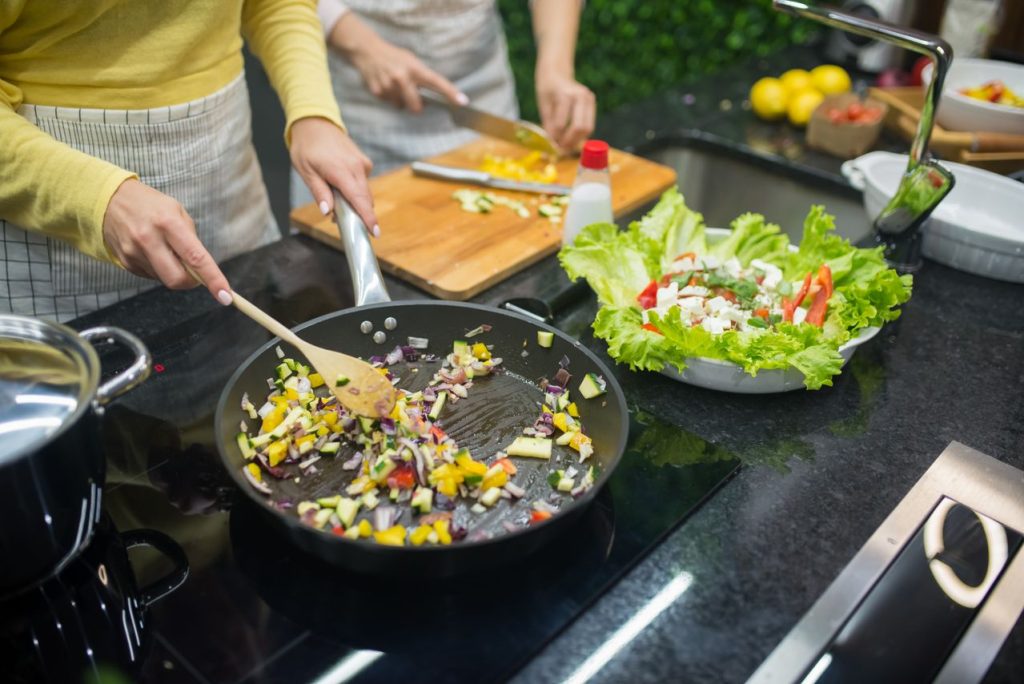
Cooking with confidence begins when we develop a strong command of foundational cooking techniques that deliver consistent flavor, reliable texture, and predictable outcomes. Rather than relying on guesswork, we refine methods that transform basic ingredients into structured, balanced meals.
The following essential techniques establish a powerful culinary framework that supports everything from simple home meals to complex recipes.
Knife Skills Every Beginner Must Learn for Precision and Efficiency
Professional-level cooking begins with precise knife handling, which improves safety, cooking speed, and ingredient consistency. Uniform cuts ensure even heat distribution, preventing some pieces from overcooking while others remain underdone.
We maintain control by gripping the knife with a firm pinch grip, placing the thumb and forefinger on the blade rather than the handle. This grip improves stability and reduces fatigue during extended preparation.
Essential Beginner Knife Cuts
- Dice – Uniform cubes ideal for soups, sauces, and sautéed dishes.
- Julienne – Thin matchstick cuts perfect for stir-fries and salads.
- Chiffonade – Ribbon-like slices used for leafy herbs and greens.
- Mince – Very fine chopping suited for garlic, onions, and herbs.
We maintain blade sharpness regularly, as a sharp knife creates cleaner cuts and reduces accidents. Dull blades slip easily and damage ingredient texture. Precision cutting forms the structural foundation for reliable cooking outcomes.
Understanding Heat Control for Accurate Cooking Results
Heat management determines the difference between tender, flavorful dishes and dry, uneven meals. We apply controlled temperature adjustments to shape texture and flavor development throughout cooking.
Low heat produces gradual softening and gentle flavor infusion. Medium heat supports consistent cooking without burning. High heat creates deep browning and crisp surfaces.
Key Heat Techniques
- Preheat pans thoroughly before adding ingredients.
- Adjust flame intensity rather than moving pans constantly.
- Allow heat to stabilize before introducing delicate ingredients.
- Monitor visual cues such as color, bubbling, and steam intensity.
Effective heat control produces predictable doneness and balanced moisture retention, essential for both beginner and advanced recipes.
Mastering Sautéing for Fast, Flavorful Cooking
Sautéing remains one of the most versatile techniques available to beginners. By cooking food quickly in a small amount of fat over moderate to high heat, we achieve bright flavors and appealing textures without extended cooking time.
We heat oil until it shimmers, signaling readiness for ingredient placement. Food is arranged in a single layer to prevent steaming. Stirring occurs only when browning begins, allowing natural caramelization to develop.
Tips for Successful Sautéing
- Select oils with appropriate smoke points.
- Maintain consistent heat.
- Avoid overcrowded pans.
- Use wide pans for better surface contact.
This technique produces vegetables that remain vibrant and proteins that develop golden, aromatic crusts.
Boiling and Simmering Techniques for Controlled Cooking
Boiling and simmering serve as essential methods for cooking grains, vegetables, pasta, and proteins. We distinguish these techniques by observing bubble activity and heat intensity.
Boiling produces rapid bubbles and suits pasta and hearty vegetables. Simmering generates gentle bubbling, ideal for soups, broths, and sauces requiring gradual flavor development.
How to Achieve Optimal Results
- Add salt to water before introducing ingredients.
- Maintain steady heat levels without excessive fluctuations.
- Stir occasionally to prevent sticking.
- Monitor liquid levels to prevent evaporation-related burning.
Controlled boiling and simmering preserve ingredient integrity and consistent texture.
Roasting Techniques for Deep Flavor and Rich Texture
Roasting uses dry heat to create intense caramelization and concentrated flavor. This technique suits vegetables, meats, poultry, and fish, producing crisp exteriors and tender interiors.
We preheat ovens thoroughly to ensure immediate heat exposure. Ingredients are spaced evenly on baking trays, preventing moisture accumulation that leads to steaming instead of browning.
Effective Roasting Practices
- Coat ingredients lightly with oil.
- Use high heat to encourage browning.
- Rotate trays for uniform exposure.
- Monitor internal temperatures when cooking proteins.
Roasting enhances natural sweetness in vegetables and produces rich, savory depth in proteins.
Learning Proper Seasoning Techniques for Balanced Flavor
Seasoning represents one of the most transformative cooking skills. We apply layered seasoning methods rather than relying on last-minute adjustments.
Salt is introduced at different stages to enhance flavor development. Herbs and spices are added based on cooking duration—hard spices early, delicate herbs later.
Effective Seasoning Strategies
- Taste repeatedly during preparation.
- Adjust salt gradually rather than all at once.
- Add acidity to sharpen flavor.
- Incorporate herbs strategically to maintain freshness.
Balanced seasoning ensures dishes taste fully developed rather than flat or overpowering.
Understanding Basic Sauce-Making Techniques
Sauces unify dishes by delivering moisture, richness, and flavor concentration. We master core sauce foundations that support countless recipes.
Common Beginner Sauces
- Pan sauces created from browned cooking residue.
- Roux-based sauces formed from flour and fat combinations.
- Reduction sauces produced by simmering liquids to intensify flavor.
We stir continuously to prevent lumps and maintain smooth consistency. Proper sauce-making delivers silky texture and cohesive flavor distribution.
Steaming Techniques for Nutrient Preservation
Steaming remains one of the healthiest cooking methods, preserving natural color, flavor, and nutrients. Ingredients cook gently through vapor exposure rather than direct heat.
We place food above simmering water, ensuring it does not touch the liquid. A tightly sealed lid traps steam, creating a controlled cooking environment.
Key Steaming Practices
- Cut ingredients into uniform sizes.
- Avoid overcrowding inside steam baskets.
- Time cooking precisely to prevent over-softening.
- Finish with light seasoning or sauces.
Steaming produces vegetables that retain vibrant color and crisp-tender texture.
Pan-Frying Techniques for Crispy, Even Results
Pan-frying uses moderate amounts of oil to create crisp, golden surfaces while maintaining tender interiors. We heat oil thoroughly before adding food, ensuring immediate surface sealing.
Ingredients are turned carefully to maintain coating integrity and uniform browning.
Effective Pan-Frying Tips
- Use heavy-bottomed pans.
- Maintain consistent oil temperature.
- Drain excess oil on paper towels.
- Avoid overcrowding for even cooking.
Proper pan-frying delivers balanced crispness without excessive oil absorption.
Learning Proper Food Storage and Preparation Practices
Efficient cooking extends beyond active preparation to include proper ingredient storage and handling. Maintaining freshness supports flavor quality and food safety.
We organize ingredients by category and expiration timeline. Refrigeration is adjusted based on ingredient sensitivity, ensuring vegetables remain crisp and proteins stay safe.
Important Preparation Practices
- Wash produce thoroughly before use.
- Store herbs in moisture-controlled containers.
- Label prepared ingredients with dates.
- Separate raw proteins from ready-to-eat foods.
These habits protect ingredient quality and support consistent cooking performance.
Developing Timing and Workflow Efficiency
Cooking success depends heavily on structured timing and coordinated workflow. We organize tasks in logical sequences, ensuring each step supports the next.
Vegetables requiring longer cooking begin earlier, while delicate ingredients are prepared closer to serving time. Equipment preparation occurs before heating begins, preventing interruptions.
Workflow Improvement Strategies
- Prepare all ingredients before cooking starts.
- Schedule overlapping cooking tasks.
- Keep tools accessible.
- Clean gradually during preparation.
Efficient workflow creates smooth execution and reliable meal completion.
Understanding Texture Control for Professional Results
Texture defines the eating experience as much as flavor. We manage cooking time and heat exposure to achieve desired consistency across ingredients.
Undercooking creates toughness, while overcooking produces dryness. Monitoring visual indicators allows precise adjustment during cooking.
Texture-Focused Practices
- Test vegetables for tenderness with gentle pressure.
- Monitor protein firmness during cooking.
- Adjust moisture levels with broth or oil.
- Allow resting time for proteins before slicing.
Proper texture control produces balanced, enjoyable dishes.
Practicing Ingredient Awareness for Better Cooking Outcomes
Effective cooking begins with recognizing ingredient characteristics. Each component reacts differently to heat, seasoning, and moisture.
We evaluate color, firmness, and aroma before cooking begins. Fresh ingredients produce stronger flavor and better structural performance.
Ingredient Awareness Tips
- Select produce with vibrant color.
- Choose proteins with firm texture.
- Understand moisture levels in different foods.
- Match ingredients to suitable cooking methods.
Careful ingredient selection supports predictable and high-quality results.
Building Confidence Through Repetition and Consistency
Reliable cooking emerges through repeated practice of core culinary techniques. Familiarity strengthens coordination and enhances speed without sacrificing accuracy.
We revisit foundational methods regularly, refining movement and improving sensory awareness. Repetition builds intuition, allowing us to adjust recipes confidently.
Confidence-Building Strategies
- Practice knife cuts daily.
- Repeat core recipes to refine technique.
- Observe visual and aromatic cues.
- Record adjustments for future reference.
Consistent repetition transforms technique into instinctive skill, enabling dependable cooking outcomes.
Achieving Reliable Cooking Results Through Foundational Mastery
Strong culinary performance depends on mastering essential cooking techniques that provide structure and reliability across recipes. Each method—cutting, heating, seasoning, sautéing, roasting, and steaming—functions as a building block that supports advanced skills.
By refining these techniques with careful attention to detail, we establish a dependable cooking system that produces flavorful meals with consistent texture and appealing presentation. Through disciplined practice and precise execution, everyday cooking evolves into a controlled, efficient, and rewarding culinary process capable of delivering exceptional results in any kitchen environment.
- 10 Chef Secrets That Will Instantly Improve Your Cooking
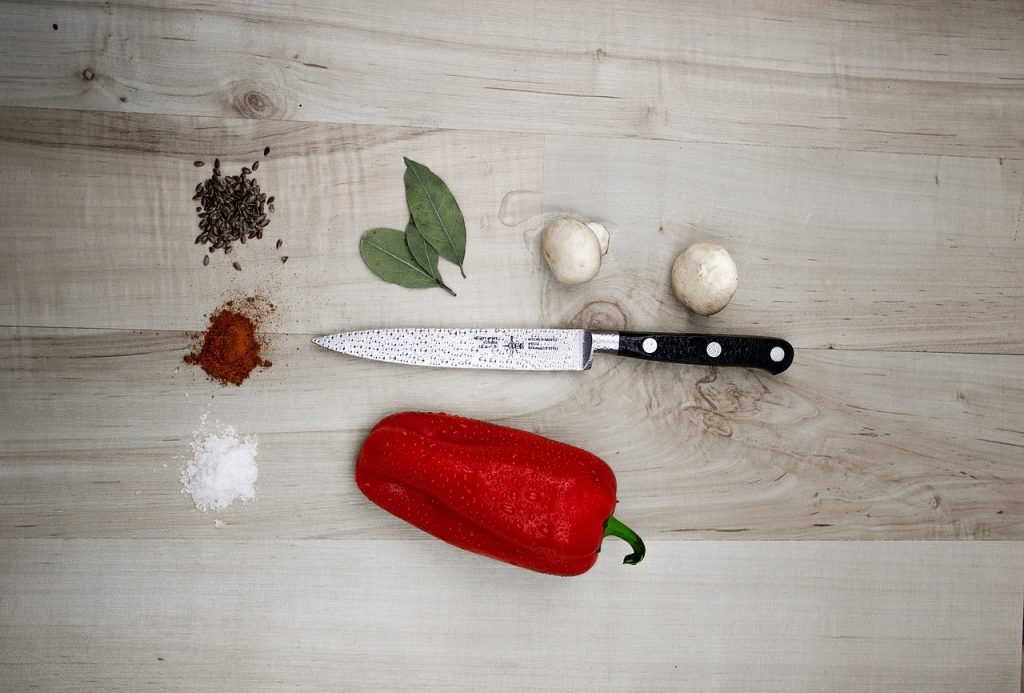
Cooking at a professional level is not defined by expensive ingredients or complicated recipes—it is shaped by precision, technique, and disciplined habits. In professional kitchens, small adjustments produce dramatic improvements in flavor, texture, and presentation. By mastering the following chef-level secrets, we can transform everyday meals into dishes that feel refined, intentional, and memorable.
1. Master Mise en Place for Flawless Execution
Professional kitchens run on organization before action. The French principle of mise en place—having every ingredient measured, chopped, and ready—eliminates hesitation and prevents mistakes.
When we prepare ingredients in advance, cooking becomes fluid rather than chaotic. Vegetables are sliced uniformly, sauces are measured precisely, and tools are positioned within reach. This disciplined approach ensures even cooking times and allows us to focus fully on heat control and timing rather than scrambling to locate ingredients mid-recipe.
How to Implement Mise en Place
- Chop vegetables into consistent sizes to guarantee uniform cooking.
- Measure spices and liquids before turning on the heat.
- Arrange ingredients in order of use.
- Keep a clean workspace to reduce distractions.
Consistency begins long before the pan heats up, and structured preparation is the first step toward professional-quality results.
2. Control Heat Like a Professional Chef
Heat is the most powerful tool in cooking, yet it is often misunderstood. Professional chefs rarely cook on maximum heat unless required. Instead, they adjust heat deliberately, using different temperature levels to develop flavor and preserve texture.
High heat creates deep caramelization, forming rich flavor compounds on proteins and vegetables. Medium heat allows ingredients to cook through without burning. Low heat builds complexity in sauces and soups without separating fats or scorching delicate components.
Tips for Precise Heat Control
- Preheat pans thoroughly before adding ingredients.
- Use high heat to sear, not to cook everything.
- Lower heat once browning is achieved to prevent burning.
- Allow food to rest after cooking so heat redistributes internally.
Understanding temperature dynamics gives us command over texture, moisture, and flavor depth.
3. Season in Layers, Not Just at the End
Seasoning is not a final step—it is a continuous process. Professional chefs add salt at different stages to enhance natural flavors rather than mask them.
Layered seasoning ensures that flavor penetrates ingredients rather than remaining on the surface. Vegetables salted during cooking release moisture, intensifying their sweetness. Proteins seasoned before searing develop a balanced, savory crust.
How to Season Like a Professional
- Salt proteins at least 15 minutes before cooking.
- Add small amounts of seasoning during each stage.
- Taste repeatedly and adjust gradually.
- Finish with high-quality finishing salt for texture and brightness.
Layered seasoning produces depth rather than intensity, creating balanced dishes that taste complete.
4. Use the Right Pan for the Right Task
Professional kitchens rely on specialized cookware because each material interacts differently with heat. Using the correct pan ensures better browning, even cooking, and controlled moisture.
Heavy-bottomed stainless steel pans distribute heat evenly, making them ideal for searing. Cast iron retains heat exceptionally well, producing deep, golden crusts. Nonstick pans protect delicate foods such as eggs and fish.
Effective Pan Selection
- Use stainless steel for browning meats.
- Choose cast iron for steaks and roasted vegetables.
- Reserve nonstick pans for fragile foods.
- Avoid overcrowding to maintain proper temperature.
Choosing the correct pan allows us to control surface contact, which directly influences texture and flavor.
5. Develop Flavor Through Proper Browning
Browning is not merely visual—it is the foundation of complex, savory flavor. When proteins and sugars interact under heat, they create hundreds of aromatic compounds responsible for deep, roasted taste.
Professional chefs never rush this stage. They allow ingredients to remain undisturbed until a golden-brown crust forms naturally. Stirring too early interrupts caramelization and produces steamed, rather than seared, food.
How to Achieve Perfect Browning
- Dry ingredients thoroughly before cooking.
- Use oil with a high smoke point.
- Leave food untouched until natural release occurs.
- Avoid overcrowding the pan.
A properly browned surface delivers intensity without additional seasoning, creating restaurant-level depth in simple dishes.
6. Balance Flavors With Acid and Fat
Professional dishes taste complete because they balance fat, acid, salt, and sweetness. Acid brightens flavors, while fat provides richness and smooth texture.
Without acid, dishes taste flat. Without fat, they feel thin and incomplete. By introducing small amounts of acidic elements—such as lemon juice, vinegar, or tomatoes—we create contrast that enhances every other flavor present.
How to Balance Flavors Effectively
- Add a splash of citrus before serving.
- Finish soups with a touch of vinegar.
- Incorporate healthy fats such as olive oil or butter.
- Adjust acidity gradually to avoid overpowering the dish.
Balanced flavor profiles create vibrant, multidimensional dishes that feel intentional and refined.
7. Let Ingredients Reach Room Temperature
Cold ingredients disrupt cooking temperature and produce uneven results. Professional chefs remove proteins from refrigeration before cooking to ensure uniform heat penetration.
Room-temperature ingredients cook more predictably, allowing surfaces to brown while interiors remain tender. This is especially critical for meats, which can become tough when subjected to sudden temperature shocks.
How to Apply This Technique
- Remove proteins from refrigeration 20–30 minutes before cooking.
- Pat surfaces dry to prevent steam formation.
- Avoid leaving perishable ingredients out excessively.
Temperature awareness produces consistent doneness and improved texture.
8. Taste Constantly and Adjust Intelligently
Professional chefs taste repeatedly because flavor evolves throughout cooking. Early adjustments prevent imbalance later, ensuring every component contributes to the final result.
Tasting allows us to identify subtle deficiencies—whether salt is lacking, acidity is too sharp, or sweetness requires moderation. Small adjustments made early prevent dramatic corrections at the end.
Tips for Effective Tasting
- Use clean utensils for each sample.
- Evaluate flavor at different stages.
- Adjust seasoning gradually.
- Trust sensory feedback rather than rigid measurements.
Frequent tasting builds confidence and precision, turning recipes into adaptable frameworks rather than fixed instructions.
9. Rest Meat Before Cutting
Cutting meat immediately after cooking causes valuable juices to escape. Professional chefs always allow meat to rest so internal moisture redistributes evenly.
During cooking, muscle fibers contract and push juices toward the center. Resting relaxes those fibers, allowing juices to spread throughout the meat rather than pooling on the cutting board.
Proper Resting Guidelines
- Rest smaller cuts for 5–10 minutes.
- Rest larger roasts for 15–20 minutes.
- Cover loosely with foil to retain warmth.
- Slice against the grain for maximum tenderness.
Resting ensures juicy, tender meat with balanced flavor in every bite.
10. Finish Dishes With Texture and Visual Contrast
Professional cooking prioritizes presentation and texture as much as flavor. A well-finished dish engages multiple senses, making the experience memorable before the first bite.
Texture contrasts—such as crisp herbs, toasted nuts, or flaky salt—add dimension and elevate simple recipes into sophisticated creations. Visual contrast signals freshness and attention to detail.
How to Finish Dishes Like a Professional
- Add fresh herbs just before serving.
- Sprinkle toasted seeds or nuts for crunch.
- Drizzle flavored oils for shine and aroma.
- Plate food intentionally, avoiding clutter.
Final touches transform everyday meals into restaurant-quality presentations.
Transform Everyday Cooking Into Professional Results
Professional-level cooking is not defined by rare ingredients or complex recipes—it is built on repeatable techniques and disciplined habits. Each of these chef secrets delivers measurable improvements in flavor, texture, and efficiency.
By organizing ingredients before cooking, controlling heat precisely, layering seasoning intelligently, and finishing dishes with intentional detail, we create meals that feel deliberate and expertly crafted. These methods eliminate uncertainty and produce consistent outcomes, allowing us to cook with confidence, clarity, and professional precision.
Adopting these techniques does more than improve individual dishes—it reshapes the entire cooking process. With consistent practice, simple ingredients become extraordinary, and everyday meals evolve into refined culinary experiences that rival those produced in professional kitchens.